What is a tap?
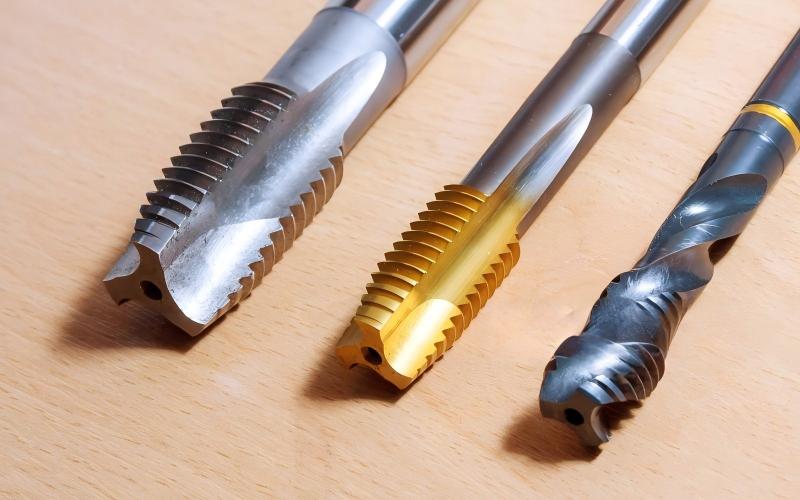
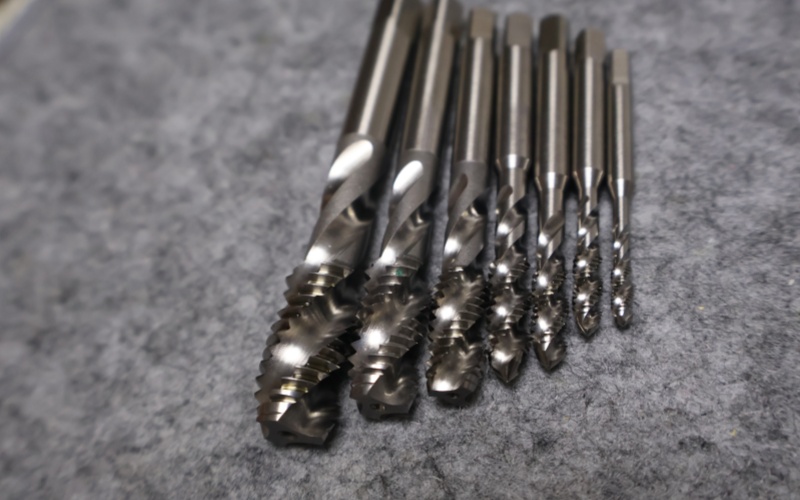
A tap is a cutting tool used to machine internal threads inside a pre-drilled hole. It forms threads by cutting or forming material, allowing screws or bolts to be securely fastened in metal or other materials.
What are the common materials used for taps?
The most common materials for industrial thread taps include:
HSS (High Speed Steel): M2
HSSE (Cobalt HSS): M35 (5% Co), M42 (8% Co)
Powder Metallurgy HSS (PM-HSS): ASP2030, ASP2052
Tungsten Carbide (HM): WC 90% | Co 10% | Grain size 0.5–0.8 μm
Each material offers different performance in terms of wear resistance, toughness, and cutting speed.
What materials does Vohirl Metal commonly use for its taps?
At Vohirl Metal, the most commonly used materials for our taps are M2, M35, and ASP2030, which cover over 95% of industrial tapping applications.
Materials such as M42 and ASP2052 are selected for specific working conditions that require higher heat resistance or tool life.
How should customers choose the right tap material?
Choosing the correct tap material depends on the workpiece material, cutting speed, and production volume.
HSS (M2)
Properties:
Cost-effective
Good toughness
Mature and stable manufacturing process
Applications:
Carbon steel
Mild steel
General-purpose tapping
HSSE (M35 / M42)
Properties:
Higher heat resistance
Better wear resistance than standard HSS
Applications:
Stainless steel
Alloy steel
Medium to high-speed machining
PM-HSS (ASP2030 / ASP2052)
Properties:
Excellent wear resistance
Longer tool life
Stable cutting performance
Applications:
Mass production
Difficult-to-machine materials
Tungsten Carbide Taps
Properties:
Extremely high hardness
Excellent wear resistance
Suitable for high-speed machining
Applications:
Cast iron
Aluminum alloys
High-volume automated production
Can you provide OEM or private label taps?
Yes. Vohirl Metal specializes in OEM and private label manufacturing for overseas distributors and tool brands. We offer customized materials, coatings, dimensions, laser marking, and packaging solutions based on customer requirements.